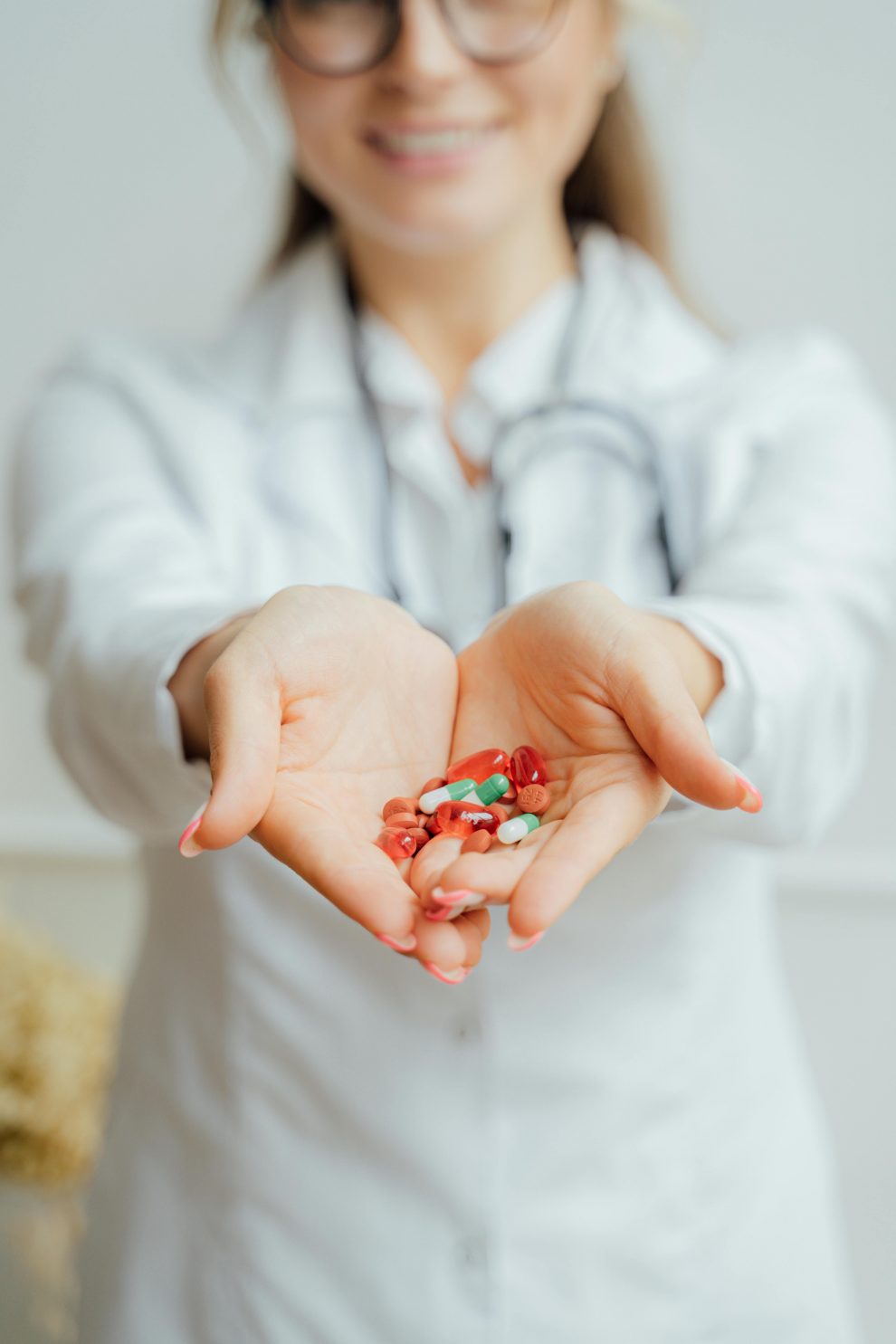
A new paper in Nature Aging (published on February 3) has some exciting news: omega-3 fatty acids can help older people age more slowly. But here’s the best part: when you add vitamin D and strength training to the mix, the effects are even better. They could even make you look younger by up to four months. The DO-HEALTH trial, which followed 777 Swiss adults aged 70 and older, is the largest healthy-aging study in Europe. This new finding comes from that study.
So, what do we learn from this? You might have more control over your biological age than you think, thanks to small changes you can make every day.
The Study’s Design
The DO-HEALTH study looked at eight different combinations of treatments, including omega-3 (1g EPA/DHA), vitamin D (2000 IU), and strength training (30 minutes, three times a week). Over the course of three years, the participants had their blood drawn four times. The study employed advanced epigenetic clocks—GrimAge, PhenoAge, and DunedinPACE—to differentiate between biological and chronological age. These tools measure how aging affects your DNA and can help you understand how quickly your body is aging at the cellular level.
The main goal? To determine the impact of these interventions on biological age, with results normalized for variables such as BMI, sex, and initial age.
What Did They Discover?
-
Omega-3 Alone: Taking omega-3 fatty acids slowed GrimAge by about 2 months compared to a placebo.
-
The Triple Combo: The combination of omega-3, vitamin D, and strength training had the biggest effect, slowing biological aging by up to 4 months.
Across all three epigenetic clocks used, the results were the same, but the effect size was small. But even small changes can have a big effect on a larger group of people.
-
Other Benefits: The combination method also showed other good results from earlier DO-HEALTH studies, such as a lower risk of cancer, fewer falls, and better frailty scores.
How Do These Interventions Work, Exactly?
Each of these treatments works on a different part of your body, and together they seem to work together to slow down aging:
-
Omega-3 Fatty Acids: These fats fight inflammation, lower oxidative stress, and help keep cell membranes flexible. Omega-3s basically help your cells stay healthy and work as well as they can.
-
Vitamin D: Well-known for its role in bone health, it also helps regulate cell senescence (the process by which cells stop dividing and contribute to aging) and stimulates the production of klotho, an anti-aging protein. It also affects the immune system.
-
Strength Training: Doing strength exercises on a regular basis helps keep your brain, muscles, and metabolism healthy. They also lower the risk factors for chronic diseases that speed up DNA damage. Muscle mass is important for living a long time, and strength training helps keep it as you get older.
What Do the Professionals Say?
Experts are excited about the results, but they also say that we need to do more research before these treatments become the norm for older people.
-
Steven Horvath, PhD, who helped make GrimAge, said the results were “groundbreaking” and that he is already changing his own routine based on what he learned.
-
Kenneth Koncilja, MD, from the Cleveland Clinic, emphasized the necessity for larger, more heterogeneous cohorts, extended follow-up durations, and subgroup analyses to validate the findings.
-
Dr. Heike Bischoff-Ferrari, the study’s lead author, stressed how safe, cheap, and easy to scale these interventions are. The next step will be to do the study again at more DO-HEALTH sites in Europe.
How to Use These Results in Everyday Life
You can use this research to slow down your biological clock in the following ways:
Work Out Often:
-
Three days a week, try to do at least 30 minutes of strength or resistance training.
-
Add 150 minutes of moderate aerobic exercise to it.
-
Begin slowly and build up over time.
-
Don’t forget to do exercises that help you stay balanced and flexible to avoid falling.
Make Sure You Get Enough Vitamin D:
-
You should aim for a vitamin D level in your blood of at least 30 ng/mL (75 nmol/L).
-
You can get vitamin D from the sun (about 10 to 30 minutes a day, with your arms and legs exposed), fatty fish like salmon and sardines, and dairy that has been fortified.
-
You might want to take a supplement (800–2000 IU daily) if you don’t get enough from food or sunlight, but always talk to your doctor first.
Increase Your Omega-3 Intake:
-
Women should get 1.1 grams of omega-3 (ALA + EPA/DHA) every day, and men should get 1.6 grams.
-
Two servings of oily fish a week or plant-based foods like chia seeds, flaxseed, and walnuts are the best sources of this nutrient.
-
If your diet isn’t giving you enough, you might want to take a 1g EPA+DHA supplement, like fish oil. Just make sure to tell your doctor about any possible interactions with anticoagulants.
Things to Think About and Safety
-
Vitamin D: If you take more than 2000 IU a day, it’s a good idea to check your blood levels every 6 to 12 months to make sure you don’t get too much. Anything higher than 100 ng/mL is too high.
-
Omega-3s: If you’re going to have surgery, stop taking omega-3s as your doctor says to do. Doses higher than 3 g/day can raise the risk of bleeding.
-
Exercise: If you already have health problems, like heart or muscle problems, you should always get a doctor’s approval before starting an exercise program.
The Bottom Line
These treatments will not stop you from getting older. But these methods are safe, easy to get, and based on evidence, and they can really change your biological age. Starting in your 60s (or even earlier) can have measurable epigenetic benefits. The best way to slow biological aging is to combine omega-3, vitamin D, and exercise.
Want to give it a shot? Talk to your primary care provider about how to best treat your condition, change your doses as needed, and keep an eye on the labs that are important. The study shows that the sooner you start, the better.












Add Comment