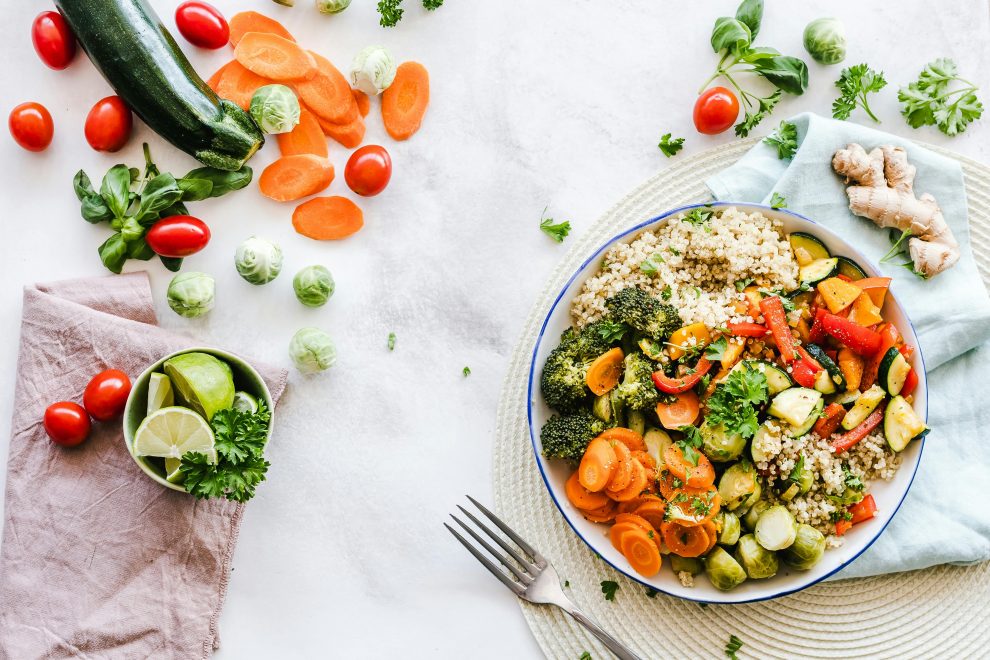
If someone has ever told you that your blood pressure is “a little high,” you probably got the usual advice: eat better, move more, and cut back on salt. But here’s a number that always gets people’s attention: cutting just one teaspoon of salt per day can lower systolic blood pressure by about 5 mmHg. That’s about the same effect as taking a mild blood-pressure medicine, but you can do it with just one change to your lifestyle.
And high blood pressure doesn’t go up overnight. It crawls. A little extra salt here, a sugary drink there, and a frozen meal on a busy night, and all of a sudden your readings are 132/86 and your doctor is giving you The Look.
Here is a useful and realistic guide: the ten foods (and drinks) that are most likely to mess up your numbers and the alternatives that still taste good.
A Quick 30-Second Biology Review
Here’s a simple explanation of why food is so important for blood pressure:
-
Sodium makes your body keep water, which means there is more water in your blood, which means there is more pressure against your artery walls.
-
Saturated and trans fats make your blood vessels stiffer over time and lower the amount of nitric oxide, a chemical that keeps arteries relaxed.
-
Added sugars make insulin resistance and visceral fat worse, which turns on your sympathetic nervous system, which is like your body’s “stress throttle.”
None of this happens right away. But it doesbuild up. And that’s how food slowly changes your blood pressure every day.
The Dirty Ten: Foods You Eat Every Day That Raise Your Blood Pressure
Ranked by how often they cause problems and how sneaky they can be.
-
These are the worst because the salt is hidden.
-
Canned soup has about 900 mg of sodium per cup.
-
About 640 mg in one slice of pizza
-
Deli turkey or ham: about 800 mg per 2 oz (and no one eats just 2 oz)
Why they’re a problem: Processed foods have more sodium than the salt shaker in the modern American diet.
-
Canned beans with low sodium (less than 140 mg per serving)
-
Blends of spices that don’t have salt, like garlic powder, smoked paprika, and citrus zest
-
Broth made at home or “better” boxed broths with less than 130 mg per cup
Give your taste buds 10 to 14 days, and they will want flavor, not salt.
-
The Heavyweights of Saturated Fat
These foods make blood vessels stiffer and cholesterol levels higher, which is bad for blood pressure.
-
-
Rib-eye steaks and beef with marbling
-
Dishes with a lot of cheese and butter
-
Anything that has been deep-fried
-
Sauces made with olive oil or tomatoes
-
Chicken thighs or breasts without skin
-
Cuts that are lean (less than 10% fat)
-
Instead of deep-frying, try air-frying
Your arteries like walls that can bend. These changes help.
-
They don’t taste “salty,” but they do raise blood pressure.
-
-
Yogurt with sugar (20 g of sugar in 6 oz is a lot)
-
-
Greek yogurt with no flavor and berries
-
Oatmeal with dates or mashed bananas to make it sweet
-
A fruit compote you make yourself for pancakes
When you stop eating extra sugar, your insulin response calms down, and your blood pressure often goes down too.
-
They hit your blood like a freight train.
-
Soda: 39 grams of sugar per can
-
-
-
Citrus and sparkling water
-
-
Green tea (a small benefit for lowering blood pressure)
The best way to wake up your sympathetic nervous system is with liquid sugar.
-
It’s a tough one because it relaxes you and stresses you out at the same time.
-
In the short term, your blood vessels widen and you feel warm.
-
Long-term: Blood pressure goes up, especially with more than 1–2 drinks a day.
-
Long-term drinking two drinks a day raises systolic blood pressure by about 7 mmHg.
-
Women: No more than one drink a day
-
Men: 2 drinks or less per day
-
Try to have at least two alcohol-free days a week
Less alcohol means steadier pressure.
-
Ultra-Processed Frozen Meals
Yes, it’s easy. But in terms of nutrition… rough.
Problems that aren’t obvious:
-
About 1,000 mg of sodium in one meal
-
Trans fats (which are still in some frozen pizzas and pastries)
-
Very little potassium, which is the mineral that helps balance sodium
-
Make your own chili, veggie stews, rice bowls, and salmon with veggies in big batches and freeze them.
-
If you’re buying frozen, look for meals with less than 600 mg of sodium.
-
Foods that are high in cholesterol
In this case, context is very important.
Cholesterol itself isn’t the worst thing; saturated fat is worse because it raises LDL and makes blood vessels stiffer. Some foods, on the other hand, are high in both cholesterol and saturated fat.
Limit if your LDL is high:
-
-
-
Shellfish (not a little bit, but a lot)
-
Eat fatty fish twice a week, like salmon, sardines, or trout.
-
Use mashed avocado instead of butter on toast
-
These meals have a lot of salt, saturated fat, and calories, which all raise blood pressure at the same time.
-
Double burgers have about 1,200 mg of sodium and 15 g of saturated fat.
-
Large fries: about 400 mg of sodium
-
Chicken sandwich on the grill
-
Salad on the side with vinaigrette
-
Don’t add cheese; keep the taste.
A single swap each week makes a difference.
-
People forget these counts until they look at the label.
-
Soy sauce: 900 mg sodium per tablespoon
-
Ketchup: 4 grams of sugar for every tablespoon
-
Ranch: 130 mg sodium in just 2 teaspoons
-
-
-
Dip made with yogurt and herbs
-
Lemon juice and vinegar for brightness without adding salt
-
The “crinkly bag category.” Tasty and risky.
-
Chips: about 170 mg of sodium per ounce
-
-
500 mg of sodium per 2 oz of pretzels
-
-
Popcorn that has been air-popped
-
Chickpeas that have been roasted
Still crunchy, but better for your heart.
Smart Substitute Matrix
Here’s a simple cheat sheet that shows you exactly how much you save by swapping:
A DASH-Style Day with About 2,000 mg of Sodium
Here’s what a normal day can look like without feeling like you’re missing out:
-
07:00—Oats, berries, and unsweetened almond milk
-
10:00—1 apple and 1 tablespoon of natural peanut butter
-
12:30 – Salad with quinoa and chickpeas and olive-lemon dressing
-
15:00—Hummus and carrot sticks
-
18:00—Baked salmon, brown rice, and steamed broccoli
-
20:00—Plain Greek yogurt with cinnamon
This is like the DASH diet, but you don’t feel like you’re on a “diet.”
When to Get Professional Help
-
Green Zone (BP 120–129 / 80–84): For three months, try changing your lifestyle.
-
Yellow Zone (BP 130–139 / 85–89): Include a registered dietitian or nutritionist on your team.
-
Red Zone (≥140/90 OR concerning symptoms): Go see a doctor right away. Don’t wait.
If your blood pressure is high and you have a headache, chest pressure, changes in vision, or dizziness, go to urgent care.
Checklist for Quick Lab and Home Monitoring
-
-
-
Creatinine and eGFR (how well your kidneys work)
-
2 readings in the morning and 2 readings in the evening for 7 days
-
Average ≥130/80 → do something
When used correctly, home monitors are surprisingly accurate.
Three Important Things to Remember
-
Don’t lose the flavor, just the salt shaker. Your taste buds will reset in about two weeks. Use herbs, citrus, garlic, and no-salt blends.
-
Check the label if it comes in a crinkly bag, a can, or a drive-thru window. Does it have more than 140 mg of sodium or 2 g of saturated fat per serving? Not likely to be worth it.
-
Don’t guess if your blood pressure doesn’t go down after three months of eating healthy. Good food and good medicine can work together.









Add Comment