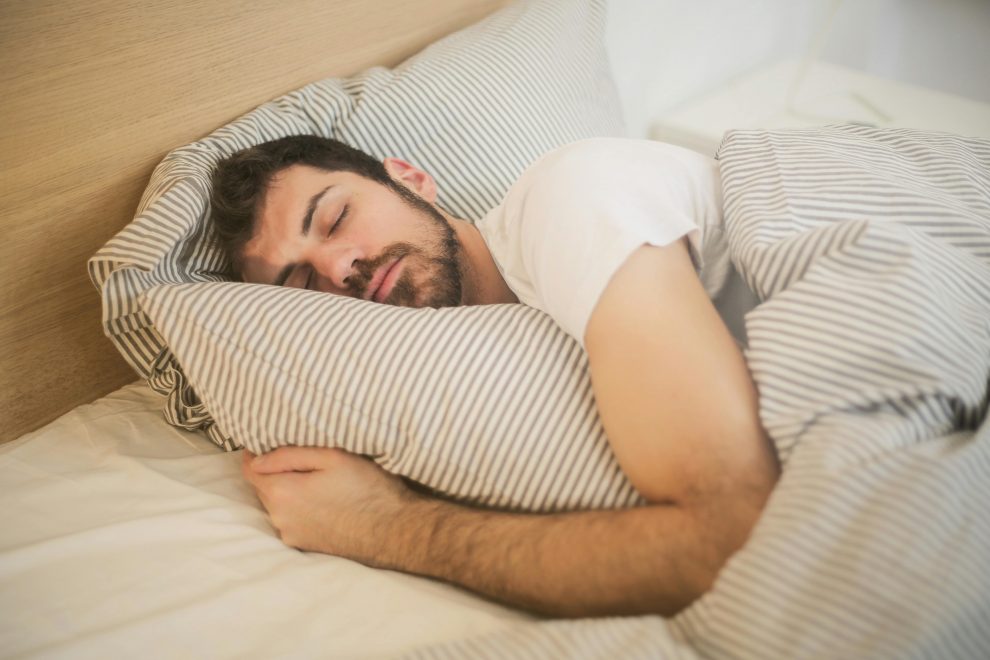
Snoring is not the only sign of sleep apnea. It’s a long-term breathing problem that can wake you up hundreds of times a night, sometimes for 10 seconds, sometimes much longer, and most people don’t even know it’s happening. About 30 million adults in the U.S. have it, but more than 80% of them don’t know they have it. Men are more likely to get the condition as they get older, gain weight, and (for reasons that are still being debated) than women.
Let’s talk about what’s really going on, how it feels, and how modern treatments can really make a difference in people’s lives.
I. What Is Sleep Apnea and Why Is It Important?
Sleep apnea is defined by breathing stops that happen over and over again while you sleep. These pauses make blood oxygen levels drop, the sympathetic “fight-or-flight” response rise suddenly, and sleep to be broken up all the time.
Your body knows you woke up, even if you don’t remember it.
If you don’t deal with it, this nightly stress cascade can make almost every system in the body stop working properly, including the heart, metabolism, brain, and emotions.
II. Subtypes of Pathophysiology
It’s important to know how the mechanism works because different types of treatment work differently.
1. Obstructive Sleep Apnea (OSA)
Anatomical narrowing, like in the soft palate, base of tongue, and tonsils, makes the airway collapse. Your chest tries to breathe, but the air can’t get through.
2. Central Sleep Apnea (CSA)
In this case, the brain doesn’t send out steady signals to breathe. The airway is clear, but the person is not breathing or is not trying to breathe. Often associated with heart failure, a history of strokes, opioid use, and living at high altitudes.
3. Mixed or Complicated Apnea
A mixed pattern. During CPAP treatment for OSA, central events may occur, indicating a combination of airway collapse and unstable ventilatory drive.
III. Main Causes and Risk Factors That Can Be Changed
Sleep apnea doesn’t happen by chance. The underlying drivers are actually quite predictable.
A. OSA Drivers
B. Drivers of CSA
-
-
Neurological injury (such as stroke)
-
-
Exposure to high altitudes
-
Uncommon genetic syndromes like Prader–Willi
C. Risks That Are Shared
-
-
-
-
Preferring to sleep on your back
-
Nasal obstruction due to allergies or anatomical narrowing
IV. What It Looks Like
Most of the time, symptoms can be divided into two groups: signs that happen at night and effects that happen during the day.
Symptoms at Night
-
Snoring that is loud and not regular
-
Witnessed breathing stops
-
Waking up with gasps or chokes
-
Nocturia (frequent nighttime urination)
-
Waking up with a dry mouth
Symptoms During the Day
-
Sleep that doesn’t feel good, no matter how long you stay in bed
-
Too much sleepiness during the day
-
-
Not being able to concentrate, being irritable, and having brain fog
-
Reduced libido, mood swings
A lot of people say these things are just part of getting older, but that’s not always true.
V. The Health Impact Chain
Sleep apnea doesn’t just happen at night. Its effects spread to almost every organ.
A. Heart and Blood Vessels
Hypertension, atrial fibrillation, coronary artery disease, stroke, and heart failure.
B. Metabolic
Type 2 diabetes, insulin resistance, and non-alcoholic fatty liver disease (NAFLD).
C. Neuropsychological
Depression, anxiety, slower reaction times, and a higher risk of car accidents.
D. Before and After Surgery
Higher rates of anesthesia complications and postoperative issues.
VI. How to Tell if You Have Sleep Apnea
1. Screening
-
A STOP-BANG questionnaire
-
An Epworth Sleepiness Scale score of 10 or higher
2. Verifying the Diagnosis
-
Polysomnography (PSG): A full in-lab study that is the gold standard
-
Home Sleep Apnea Test (HSAT): Best for people who might have simple OSA
3. Measuring How Bad It Is
The Apnea–Hypopnea Index (AHI) and oxygen-desaturation profile ascertain both severity and subtype (OSA, CSA, or mixed).
VII. The Ladder of Evidence-Based Treatment
There is no one treatment that works for everyone. Instead, think of this as a ladder: begin with the basics and work your way up.
A. Lifestyle Foundation (Important for All Patients)
-
Losing weight (even just 10% less weight can lower AHI by about 30%)
-
-
Cut back on alcohol and sedatives at night
-
Training to sleep on your side
These changes alone can make mild cases a lot less painful.
B. Therapy for Devices
-
CPAP (Continuous Positive Airway Pressure)
-
The first thing to try for moderate to severe OSA
-
Keeps the airway open by applying steady pressure
-
APAP (Automatic Positive Airway Pressure)
-
Changes pressure with each breath
-
Great for many patients, especially when their pressure needs change
-
BiPAP (Bilevel Positive Airway Pressure)
-
Offers different pressures for breathing in and out
-
For CSA, high-pressure needs, or patients who have trouble with CPAP
-
ASV (Adaptive Servo-Ventilation)
-
A more advanced system made for CSA and Cheyne–Stokes breathing
-
Not for everyone, especially those with certain types of heart failure
C. Therapy with an Oral Appliance
-
Devices that are made to fit your mouth and move your jaw or tongue
-
Good for mild to moderate OSA or when CPAP just doesn’t work
D. Pharmacologic Adjuncts (Mainly for CSA)
-
Acetazolamide or theophylline for CSA linked to high altitude or heart failure
-
Taper off opioids; think about using buprenorphine or adding naloxone for CSA caused by opioids
E. Options for Surgery
For certain anatomical problems:
-
-
Uvulopalatopharyngoplasty
-
Stimulation of the hypoglossal nerve
-
Maxillomandibular advancement (very helpful for craniofacial restriction)
VIII. Prevention and Lowering Risks
-
Keep your body weight in a healthy range
-
Work out on a regular basis
-
Learn how to sleep on your side
-
Take care of nasal allergies
-
Don’t drink alcohol or take sedatives before bed
-
Get some light in the morning
-
Keep getting your blood pressure and glucose checked every year
IX. How to Live with Sleep Apnea: Helpful Advice
A. Tricks for Sticking to CPAP
Heated humidification, a mask that fits well, ramp features, and data tracking that works with a smartphone all make therapy easier and more comfortable.
B. Safety Comes First
-
-
If your state requires reporting, follow the DMV’s rules
C. Follow Up on a Regular Basis
Check for residual AHI, mask leaks, blood pressure, blood sugar, weight changes, and mood.
D. Help from a Partner
Encourage regular use of the device and learn how to move the sleeper if their breathing doesn’t get better.
X. When to See a Provider Again
-
Snoring all the time or feeling sleepy during the day
-
CPAP intolerance, pressure sores, anxiety, and claustrophobia
-
New central apneas on device reports
-
Pregnancy, major surgery, or big weight changes (all of these may need to be retitrated)
XI. Important Points to Remember
-
Loud snoring and feeling tired during the day are big warning signs
-
Testing is easy and available to everyone
-
For most patients, CPAP is still the best option, but lifestyle changes can help everyone
-
Treatment that works literally saves lives by restoring normal breathing, improving sleep continuity, and lowering the risk of heart disease and accidents by a huge amount













Add Comment