





Nutrition

The Sweet Potato Effect: What Really Happens to Your Body When You Eat Them Regularly

The sweet potato is the only food that has stayed both very popular and very healthy. And here’s a fun fact that most people don’t know: One medium sweet potato has about 400% of your daily vitamin A, and it only has about 112 calories and no added sugar.
If you roast it long enough, it tastes like dessert. Not bad.
Sweet potatoes are more than just a “healthy carb.” They are like a health insurance policy because they are full of fiber, potassium, beta-carotene, antioxidants, and gut-friendly starches that keep your metabolism going. If you eat them often, your body will start to change in small but important ways.
Let’s talk about what really happens when you eat sweet potatoes all the time.

The Nutrient Power Snapshot

Sweet potatoes aren’t just healthy; they’re fullof them. You’re getting a mix of vitamins, minerals, fiber, and rare plant compounds that most Americans don’t get enough of.
A short highlight reel:
  • Beta-carotene​ → turns into vitamin A, which is good for vision and the immune system.
  • Manganese​ → helps make collagen and control blood sugar.
  • Potassium​ → helps keep blood pressure normal.
  • Fiber​ (4 g per medium potato) → slows digestion and keeps energy steady.
  • Resistant starch​ (when cooled) → feeds good gut microbes.
  • Anthocyanins​ (especially in purple varieties) → strong antioxidants that protect the brain.
In other words, sweet potatoes are more than just “carbs.” They are bombs of micronutrients.

How Sweet Potatoes Affect Your Body (One System at a Time)

1. They Are One of the Best Foods for Eye Health

There aren’t many foods that are better for your eyes than sweet potatoes. Beta-carotene helps your body make retinal pigments, which are the parts of your eyes that actually see light. If you don’t get enough, your night vision gets worse and your skin gets dry. Anthocyanins are found in purple sweet potatoes, and early studies on humans suggest that they may help with eye strain and fatigue from looking at screens. That’s not nothing if you work on a laptop all day.

2. They Help Lower LDL and Keep Your Heart Healthy

Sweet potatoes are good for your heart in a number of ways:
  • The soluble fiber binds to bile acids, which helps lower LDL cholesterol.
  • Potassium​ helps keep sodium levels in check, which can help lower blood pressure. Their antioxidants may help lower oxidative stress in blood vessels.
So yes, putting sweet potatoes on your dinner plate is like writing a love letter to your arteries.

3. They Help You Manage Your Weight in a Very Useful Way

Fiber and resistant starch together are good for more than just digestion. They also boost hormones that make you feel full and slow down the rate at which your body stores fat. Research on both people and animals shows that resistant starch, especially from cooled potatoes, can:
  • Make you less hungry
  • Make your body more sensitive to insulin
  • Lower the levels of enzymes that store fat
This is why a sweet potato that has been reheated often feels fuller than one that has just come out of the oven.

4. They Help Keep Blood Sugar Levels Stable, Even Though They Are Carbs

Sweet potatoes have a glycemic load (GL) of around 11, which means they don’t raise your blood sugar as quickly as white potatoes or bread. This surprises a lot of people. They are a gentler carb choice because they have fiber, antioxidants, and a starch structure that takes longer to digest. You’ll see an even steadier glucose curve if you eat them with protein or fats, like chicken, salmon, or a drizzle of olive oil.

5. They Have Anti-Inflammatory Benefits, Especially the Purple Kinds

There is a good reason why purple sweet potatoes are so popular right now. Lab and animal studies have shown that their anthocyanins, which give them their bright purple color, do the following:
  • Lower CRP​ and IL-6, two important signs of inflammation
  • Help keep joints healthy
  • Shield cells from damage caused by free radicals
Research on humans is still going on, but the trend is promising: color equals function, and purple equals power.

6. They Might Help Protect Against Cancer (Still Too Soon to Tell)

We’re not saying this is a miracle food, but the new information is interesting. In test tubes and animals, anthocyanins in purple sweet potatoes have been shown to stop the growth of cancer cells in the bladder, breast, and colon. Sweet potatoes don’t stop cancer, but they do add to the case that colorful plants have protective compounds that most of us don’t get enough of.

7. They Help the Good Bacteria in Your Gut Get the Food They Need

When you cool a sweet potato for 12 hours, the starch changes into “resistant starch,” which goes through your small intestine without being broken down and becomes food for good gut bacteria. Those microbes turn it into butyrate, a short-chain fatty acid that is linked to:
  • Less inflammation
  • More sensitivity to insulin
  • Better gut lining integrity
  • Healthier bowel movements
In short, cooled sweet potatoes are good for your gut microbiome.

What Sweet Potato Should You Pick? (Color Code Guide)

Type
Best For
Why
Orange
Vision, immunity
Has the most beta-carotene
Purple
Antioxidants, cognitive support
Has a lot of anthocyanins
White/cream
Milder taste, less sugar
Still high in fiber; easiest on the taste buds
Switching between types gives you the most benefits.

The Resistant-Starch Hack You Really Should Try

This one looks easy at first:
  1. Prepare your sweet potato.
  2. Put it in the fridge for 12 hours.
  3. Warm up slowly before eating.
You will raise resistant starch by 2–3×, which will help keep your blood sugar stable and make you feel full. This hack is worth saving if you eat sweet potatoes often.

How Much Should You Eat? (And What Is a Portion?)

  • 1 medium baked sweet potato​ (about 5 inches, 130 g): 112 calories, 26 g of carbs, 4 g of fiber, and a lot of micronutrients.
  • Best amount:​ ½ to 1 medium sweet potato per day is a good amount for most adults.
  • Pro tip:​ To help your body absorb beta-carotene better, add a source of healthy fat like nuts, olive oil, or avocado.
Don’t make it too hard on yourself; just eat them every day.

Quick Wins in Cooking (Healthy, Fast, and Tasty)

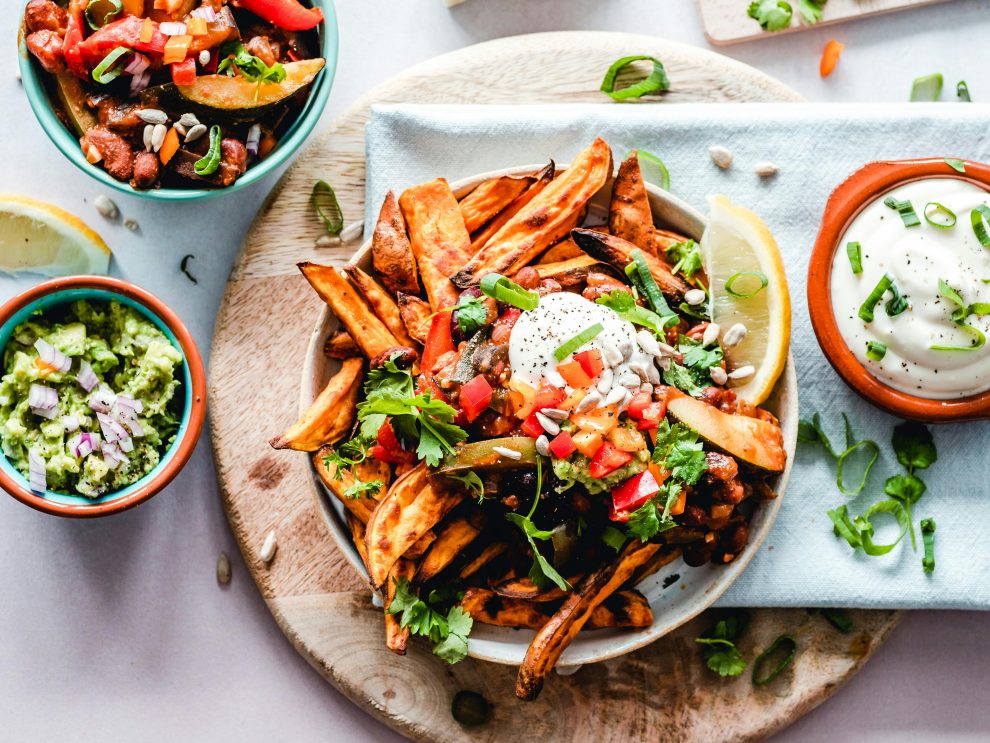
Morning: Sweet Potato Wedges Roasted with Cinnamon you like sweet mornings, add Greek yogurt, almonds, and a drizzle of honey on top.
Lunch: Salad of Chilled Purple Sweet Potatoes avocado, lime juice, cilantro, and a little bit of sea salt and mix. Great on hot days.
Dinner: Curry with Red Lentils and Sweet Potatoes
The combination of fiber and plant protein is very good at controlling blood sugar.
Sweet potatoes are very forgiving; you can roast, steam, or air-fry them. They almost never taste bad.

Risks, Precautions, and Who Should Be Careful

Sweet potatoes aren’t perfect either.
Oxalates:
They have about 50 mg of calcium oxalate per 100 g, so if you’ve had calcium oxalate kidney stones, you should limit how much you eat and eat it with dairy or other foods high in calcium.
Too Much Beta-Carotene:
If you eat a lot of it, you could get carotenemia, which is when your skin turns yellow. It’s not dangerous and can be fixed; it’s just a cosmetic issue.
Glycemic Load:
Still a carb. If you’re on the keto diet or are very sensitive to carbs, make sure your portions are always the same.
There aren’t any other major problems; most people can eat sweet potatoes without any problems.

How to Pick, Store, and Prepare Sweet Potatoes Like a Pro

  • Choose ones with tight, smooth skin​ and no soft spots.
  • Put them in a cool, dry place, but not the fridge, because that makes the center hard.
  • Instead of boiling, use steam or bake to keep antioxidants. To get the most flavor, roast the whole thing at 400°F for 45 to 60 minutes.
Once you get the hang of cooking them, sweet potatoes become a regular part of your diet.

Optional Lab Tracking (If You Love Data)

If you eat sweet potatoes often and want to measure changes:
Starting Point:
  • Glucose after fasting
  • LDL
  • CRP (a marker of inflammation)
After 8 Weeks:
  • HbA1c
  • Retinol-binding protein (to check vitamin A levels)
  • CRP again to see if trends are still the same

Not necessary, but it would be really cool if you like linking food to how the body works.

About the author

Gerren Davis

Add Comment

Click here to post a comment

Your email address will not be published. Required fields are marked *