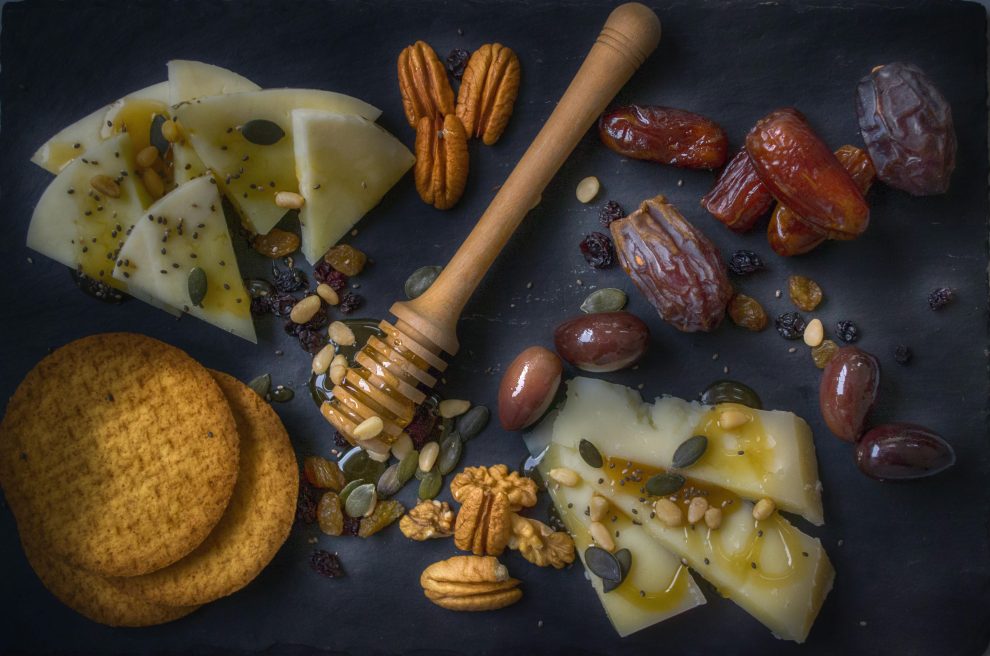
A lot of people think of honey as “just sugar,” but that’s not the whole story. A single tablespoon has about 64 calories and more than 200 bioactive compounds. This is a surprisingly rich mix of antioxidants, enzymes, and plant-derived molecules that are as good as what you would find in many fruits. It’s one of those foods that most people don’t know does a lot more in the body than they think.
Let’s look at what the research says about how honey works and how to use it safely and well.
The 30-Second Science Version of How Honey Works
Honey is mostly made up of glucose and fructose, but the “magic” comes from the extra things it has, like flavonoids, phenolic acids, trace enzymes, and natural prebiotics.
Honey has antimicrobial properties because it has a low pH, an osmotic pull, and a slow release of hydrogen peroxide. That’s why it can help a small wound heal and ease a sore throat—something that isn’t common in the kitchen.
The Evidence: When Honey Actually Helps (Ranked A to C)
1. Cough Relief—Grade A+ (Very Strong Evidence)
One of the most well-known uses for honey is to help with coughs.
In a major Cochrane review and other pediatric studies, 2 teaspoons of honey at bedtime worked better than dextromethorphan, the active ingredient in many over-the-counter cough syrups, to stop nighttime coughing.
How to use it: Take 1–2 teaspoons straight or mix it into warm (not boiling) tea before bed.
Important: Don’t give honey to kids under 12 months old because it could give them botulism.
2. Minor Cuts and Burns—Grade A
Manuka honey of medical grade is not a joke. Research shows that Manuka with UMF 10+ (or MGO 263+) can help heal partial-thickness burns and some small wounds even faster than silver sulfadiazine cream.
How to use it: Clean the wound, put on a thin layer of medical-grade honey, cover it with sterile gauze, and change it every day for up to a week.
This is only for small cuts or burns. You need to see a doctor if something is deep, big, or infected.
3. Gut Health—Grade B (Emerging but Promising)
Honey seems to work as a mild prebiotic, which means it helps good gut bugs like Bifidobacterium and Lactobacillus grow. Most of the evidence so far is from animals.
There is also early research on humans that shows honey can help with radiation-induced mouth and throat mucositis when used as a gentle mouthwash.
How to use it: About 1 teaspoon with breakfast or in a warm drink.
4. Heart-Health Add-On — Grade B
A meta-analysis found that eating about 50 g of honey per day (about 2.5 tablespoons) lowered LDL cholesterol by about 6 mg/dL and slightly raised fasting glucose compared to regular table sugar.
It looks like raw, clover, or Robinia honeys are the best.
This doesn’t mean you can drown your oatmeal in honey, though. If you can, try to keep your total added sugars below 25 g/day.
5. Antioxidant Support — Grade B
Polyphenols in honey are quickly absorbed. You’ll see a rise in circulating flavonoids within about two hours of eating it. This may help lower LDL oxidation and support metabolic health over time. The results are different, but the effect is real.
6. Brain and Mood Support — Grade C
A small human trial showed that 20 g of honey improved mood and cerebral blood flow, but more studies are needed. Instead of being a main brain supplement, think of this as a “maybe helpful, low risk” perk.
Quick Dose Guide
Quick and Easy Honey-Based Home Remedies
• Golden Throat Coat
1 teaspoon of honey, 1/4 teaspoon of turmeric, a pinch of black pepper, and warm water.
Calms down and fights inflammation, making it great for scratchy throats.
• Manuka Burn Balm
1 tsp of medical Manuka honey and 1 drop of lavender essential oil.
After cleaning, put a thin layer on small burns.
• Simple Pre-Biotic Smoothie
1/2 banana, 1/2 cup kefir, 1 tsp honey, and cinnamon.
A mild mix that is good for your gut.
Safety First: The Red, Yellow, and Green Guide
Red (Don’t Use):
-
Babies younger than 12 months old
-
-
Active infection with pus or red streaks
-
Diabetic ketoacidosis or diabetes that isn’t under control
Yellow (Be Careful):
-
People with diabetes should keep a close eye on their glucose levels and count their carbs.
-
Allergies to pollen (do a patch test if you’re using it on your skin)
Green (Usually Safe):
-
-
Children older than 1 year
-
Minor cuts, scrapes, and sore throats
How to Pick Good Honey (So You Get the Benefits)
-
For wound care: Look for medical-grade Manukawith UMF 10+ or MGO 263+.
-
For everyday use: Raw honey with little filtering keeps more antioxidants.
-
For safety: Pick honey that has been tested by a third party for pesticides and antibiotics.
-
For allergy support: Some people may benefit from local raw honey, but the evidence is mixed. Just make sure you know what kind of plant pollen you’re going after.
When to Call a Health Care Provider
If you need to, get in touch with a doctor.
-
A wound gets red, swollen, streaked, or makes pus.
-
A fever starts after a burn or cut.
-
A cough lasts longer than three weeks, gets worse at night, or has blood in it.
-
Your blood sugar level goes up above 180 mg/dL after you eat honey (for people with diabetes)
Important Points
-
Honey is more than just sweet. When used correctly, it’s a cheap, science-backed way to treat coughs and small burns.
-
Manuka honey is best for your skin. To stay within the recommended added-sugar levels, you should only eat ≤ 1 tablespoon/day.
-
Don’t give honey to babies under 1 year old, and always see a doctor for anything more than a small cut.
Honey is simple, but it can heal a lot of different things. It’s one of the few pantry staples that tastes good and is good for your health if you use it wisely.
Tags: honey health benefits, natural cough remedy, Manuka honey, home remedies, wound care













Add Comment