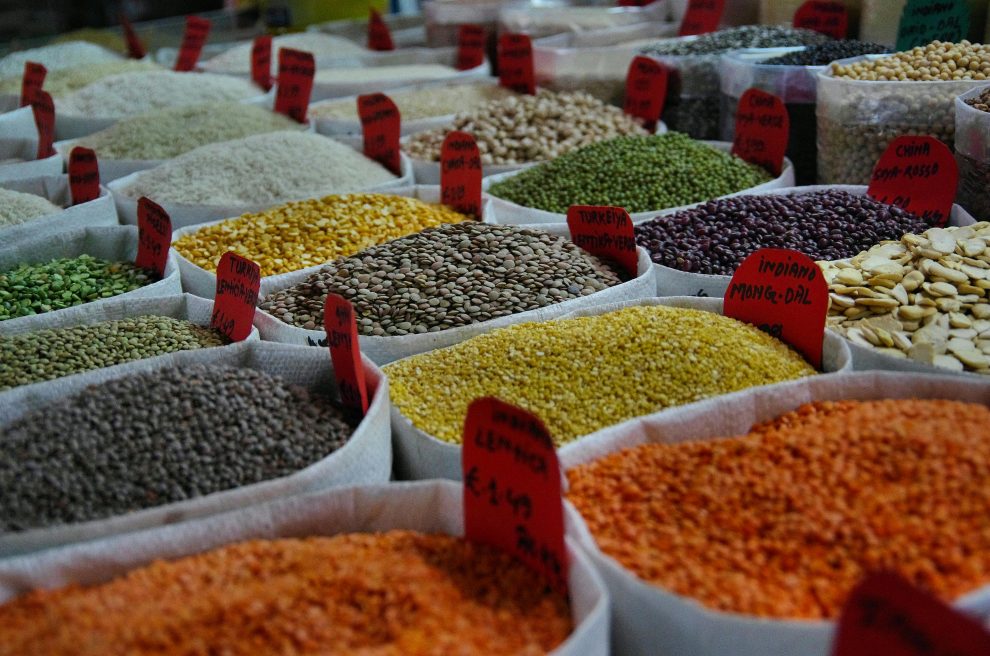
Beans are the one food that quietly checks every box: fiber, protein, nutrients, blood sugar control, gut health, cost, and long-term health. Yes, it’s not very glamorous. But also a little bit magical. You can get about 15 grams of fiber and 15 grams of protein in one cup for less than 300 calories. People who eat beans at least three times a week have a lower risk of heart disease over time, by about 22%.
If you’ve been wanting to become a “bean person,” this is your sign.
Based on fiber, protein, glycemic impact, and real human research (not just cell studies), here is your science-backed, algorithm-driven ranking of the six healthiest beans. And to be honest? All of them are winners.
How We Ranked These Beans (The Bean Algorithm)
This list had to be as airtight as nutrition science can get, so each bean had to meet:
-
At least 12 grams of fiber per cup
-
At least 14 grams of protein per cup
-
A low glycemic index (less than 55)
-
Human trials or large observational data showing benefits for heart and metabolic health
-
No additives in their plain form
Let’s talk about the lineup.
1. Navy Beans: The Underdog That Wins by a Hair
-
-
Protein: 19.7 g (the most on the list)
-
Navy beans are the quiet overachievers. They are creamy, mild, and full of nutrients. A cup of them has a lot of manganese, magnesium, iron, and folate. But the most important thing is the human data: in a four-week crossover trial, people who added navy beans to their diets saw LDL cholesterol drop by about 9% compared to a control diet. That’s an effect at the level of a drug, but it comes from soup.
Why they are number one: They have a lot of protein, strong evidence that they lower LDL cholesterol, and a lot of minerals.
2. Black Beans: The Folate and Longevity Powerhouse
The taste of black beans is deep and earthy, and their nutrition is just as good. One cup gives you 64% of your daily folate, which is important for fixing cells, making DNA, keeping pregnant women healthy, and even keeping your mood stable. A cohort study from 2023 found that people who eat black beans regularly had leaner waists and less long-term weight gain over 10 years. This is probably because of all the fiber and resistant starch in them.
Why they are #2: They have a lot of folate and good long-term metabolic data.
3. Garbanzo Beans (Chickpeas) — The Best Food for Filling You Up
Garbanzo beans are a little different from other beans because they have about 4 grams of healthy fat, mostly oleic acid, which is the same type of monounsaturated fat that is in olive oil. This makes them creamy and long-lasting, which is almost unfair. Bonus: People who eat hummus on a regular basis (yes, hummus counts!) always get more fiber, vitamin A, vitamin E, magnesium, and iron.
Why they’re number three: They have a mixed macro profile and the best satiety effect.
4. Kidney Beans—Best for Keeping Blood Sugar in Check
Kidney beans are full of resistant starch, which is a type of carbohydrate that acts more like fiber than sugar. It feeds the microbes in the gut, keeps blood sugar levels from rising too quickly, and boosts the production of butyrate, a short-chain fatty acid that is linked to less inflammation and better colon health. A meta-analysis from 2023 found that kidney beans help adults with type 2 diabetes lower their fasting glucose and HbA1c levels.
Why they are #4: They are the bean with the most research behind it that helps with glucose.
5. Pinto Beans—The Fiber King (Tie for First)
-
Fiber: 15.4 g (the most of any bean)
-
-
Pinto beans are good for your gut health if you want the most bang for your buck. In controlled feeding studies, they make the biggest difference in butyrate levels compared to other beans. That’s a lot for lowering inflammation, making the gut barrier stronger, and keeping the colon healthy. They’re also the most popular bean in the U.S., so it’s very easy to add them to tacos, burritos, or soups.
Why they are number five: best for gut health and tied for most fiber.
6. Lima Beans: Creamy, Comforting, and Full of Minerals
People say bad things about lima beans, but they shouldn’t. They taste creamy, mild, and almost like butter when they are soaked and cooked right. They have a lot of magnesium and manganese, two minerals that most people don’t get enough of because of modern diets and soil that isn’t very fertile. They also have a lower antinutrient profile after soaking, which makes them easier to digest than most people think.
Why they are number six: They are a great all-purpose bean with a lot of minerals.
A Quick Comparison of Satiety and Glycemic Power (in Simple Terms)
-
Best for controlling blood sugar: Kidney beans
-
Best for digestive health: Pinto beans
-
Best for overall nutrient density: Navy beans
-
-
Best for pregnancy and brain health: Black beans
-
Best for soups and purees: Lima beans
If you switch between them, you’ll get most of the nutrients you need.
Quick Ways to Add Beans (Ideas That Take 5 Minutes)
Breakfast Tacos with Black Beans
Beat the eggs, then add the black beans, salsa, and avocado. Five minutes, all done.
Chickpea Salad with “Tuna”
Mix chickpeas with lemon, celery, Dijon mustard, and a little mayonnaise or Greek yogurt.
Sauté the vegetables, then add the broth and navy beans. Let them simmer for 10 minutes.
Chili with Kidney Beans and Quinoa
Chili spices, tomatoes, kidney beans, and quinoa make a meal that freezes well in one pot.
Cauliflower and Pinto Bean Mash
Mix steamed cauliflower with pinto beans and garlic to make a creamy, fiber-rich side dish.
Mix lima beans with olive oil, lemon juice, and rosemary. Rich.
Tips for Better Digestion (and Fewer Side Effects)
When you eat beans, they don’t cause as many problems:
-
Soak for 12 hours and throw away the water → oligosaccharides go down by about 40%
-
Pressure-cook for 6 minutes → phytic acid goes down by about 50%
-
Add a strip of kombu (a mineral-rich seaweed) to the pot. It will soften the beans and make them taste better.
This fiber is good for your gut bacteria. They’ll be grateful in a couple of weeks.
Shopping Tips That Really Work
-
-
Less than 140 mg of sodium per ½ cup
-
Cans or tetra-paks that don’t contain BPA
Rinse canned beans for 10 seconds to lower sodium by about 40%. Canned beans are perfectly healthy when rinsed, but dry beans are cheaper.
What to Know About Special Populations
Black and navy beans are full of folate.
All six beans have low glycemic indexes, which means they help keep blood sugar levels stable.
Athletes who are vegan or eat mostly plants
Combine beans with whole grains like quinoa or brown rice to get a full amino acid profile.
Want to see if beans are good for you? Keep an eye on these:
-
Baseline and 8-week: fasting glucose, LDL, hs-CRP, and waist circumference. Changes happen surprisingly quickly, sometimes in as little as two to four weeks.
Three Sentences to Remember
-
For the most health benefits, switch between navy, black, chickpea, kidney, pinto, and lima beans.
-
Try to eat ½ cup of cooked beans three times a week—more if you can handle them.
-
Beans are, without a doubt, the cheapest longevity supplement on the planet.











Add Comment