






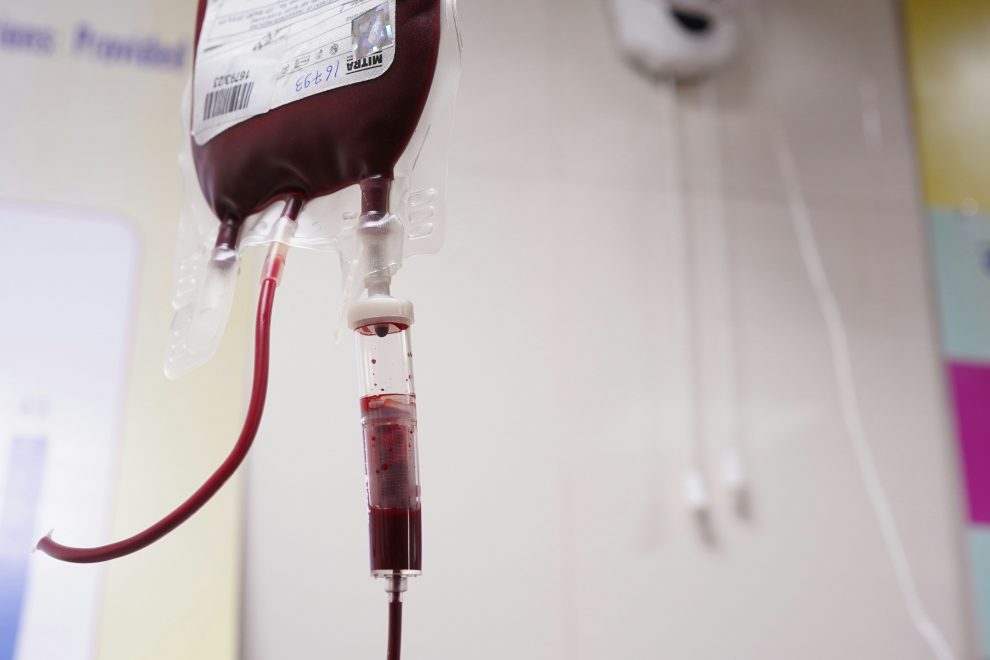

Blood clots may seem scary, but often you can lower your risk with simple daily moves. Knowing your risks early is key. So let’s walk through each step step-by-step.
1. Know Your Enemy
A “thrombus” is simply a blood clot that stays put within a blood vessel; an “embolus” breaks away and travels, potentially blocking blood flow to lungs, brains, hearts or legs if left alone. Understanding these terms helps identify risk quickly.
2. Risk Factors To Keep An Eye Out For
Some risks you cannot control, while others you can. Here are the big ones: for age and sex matters: 65 and older increases risk significantly while males are at an increased risk overall; furthermore women in high-estrogen states such as pregnancy, taking birth control pills (OCPs), or using hormone replacement therapy (HRT) also face heightened dangers.
Health conditions play an integral part of this equation, too. Conditions like cancer, diabetes mellitus (DM), atrial fibrillation (AFib), heart failure, obesity, vasculitis or atherosclerosis (clogged arteries) increase your chances of blood clot formation.
Lifestyle and situations matter too; prolonged sitting – whether after an injury, on long plane flights or long bed rest after surgery- can reduce blood flow to areas such as bed rest. Surgery, trauma, smoking and certain meds may also exacerbate conditions and slow it further.
3. Don’t Discount Genetic Causality
Sometimes the cause lies within you – factor V Leiden or prothrombin 20210 can make clot formation more likely, as do deficiencies in protein C, protein S or antithrombin production. If someone in your family has had clots before and you want more information or testing is appropriate (it might not apply in every instance, but if family history suggests otherwise it might make sense), discuss it with your physician and consider getting tested yourself; it may save lives.
4. Your Daily Prevention Toolkit
Do not require fancy equipment here; rather consistency. Here are a few suggestions:
Move more. Even 30 minute walks on most days keeps blood moving. On long trips or desk jobs try ankle pumps (pointing and flexing feet) or seated marches every hour or two for maximum benefit – small movements with large impacts!
Eat smart. Focus on eating healthful items such as fruits, veggies, whole grains and lean proteins (like chicken or fish). Reduce saturated fat and salt; no need for extreme diets just balance.
Drink Up. Women should aim for 72 ounces of fluid a day; men, approximately 104. Depending on your heat or workout intensity, adjust accordingly – thirst should serve as an indicator; don’t wait till it becomes severe to drink up!
Maintain a healthy weight. A BMI under 25 helps ease pressure on veins; you don’t have to be perfect, just find an achievable range that feels manageable.
Quit tobacco use. Smoking makes platelets stickier and damages blood vessels–two major sources of clot formation–making it best avoided completely; cutting back will still help, though quitting would be best.
Reduce stress. Stress increases cortisol, which in turn can make platelets act up. Try meditation, better sleep habits or social gatherings–whatever works to relieve your tension.
Compression stockings. If you’re at high-risk (such as after surgery or on long flights), knee- or thigh-high stockings (15-30 mm Hg) may help to keep blood flowing freely and may keep blood clots at bay. Consult with your physician if they would be suitable.
5. Take Medication as Needed.
Certain individuals require anticoagulants (heparin or warfarin) or antiplatelet drugs like aspirin or clopidogrel to manage blood clotting, but always get a valid prescription from their physician first before self-treating with these medicines on their own. Ideally, team up with Your Provider
Your doctor can be of immense assistance in this endeavor, helping to assess and teach you about early clot symptoms such as sudden leg swelling, chest pain or shortness of breath.
Build an individual plan tailored specifically to you – be it lifestyle changes, medications or supplements–and always consult your provider prior to beginning new exercises or taking supplements that could increase blood clot risk.
Maintaining blood clot prevention doesn’t require you to make drastic, unsustainable lifestyle changes; rather, it requires making gradual and small lifestyle adjustments such as moving more frequently, eating healthily, and maintaining regular visits with your physician. Make these decisions and you should be well on your way!





Add Comment