






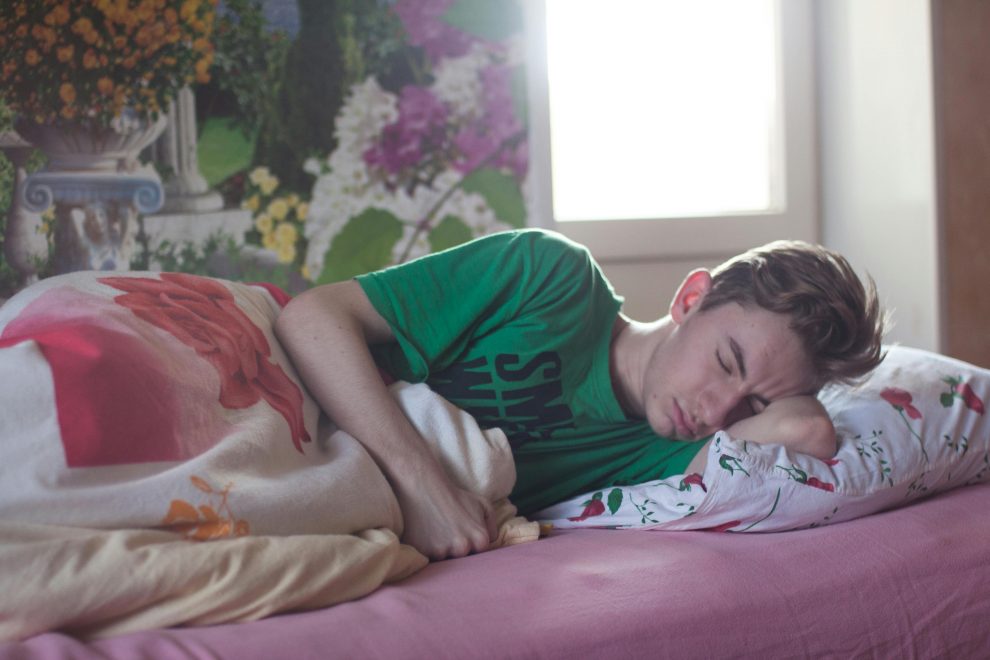

I. What Is Not Getting Enough Sleep?
II. How Much Rest Do You Need?
-
Adults (18-64):7 to 9 hours. Some people can get by with 6, but others need up to 9. -
Teenagers:8 to 10 hours. -
School-aged children:9 to 11 hours. -
Toddlers:11 to 14 hours of sleep, including naps.
III. When Is It Really “Deprivation”?
-
Total deprivation:Not sleeping for more than 24 hours. -
Partial deprivation:Getting four hours or less of sleep each night for several nights. This can have effects that are similar to being completely deprived. -
Cognitive impairment:Having a blood alcohol content (BAC) of 0.10% can make your brain work worse, just like not getting enough sleep for one night.
IV. Symptoms and Signs That Get Worse
|
|
|
|---|---|
|
|
|
|
|
|
|
|
|
|
|
|
V. Sleep Deprivation Is Often Caused By
A. Main Sleep Disorders
-
Insomnia:Having trouble getting to sleep or staying asleep. -
Obstructive Sleep Apnea:Breathing stops while you sleep. -
Restless Legs Syndrome:A strong need to move your legs at night that you can’t control.
B. Medical and Mental Health Issues
C. Things That Affect Your Lifestyle
-
Working nights (shift work). -
Late-night screen time or social media. -
A bedroom that is loud or bright. -
Drinking alcohol or caffeine. -
Too much training without enough rest.
D. Psychophysiological Factors
VI. Risks in the Short Term
A. Problems with Thinking
-
Not remembering things well. -
Hard time deciding what to do. -
Slower times to react. -
Vision problems.
B. Worries About Safety
C. Effects on Metabolism
-
More hunger and cravings. -
Gaining weight. -
Being impulsive and having mood swings.
VII. Long-Term Effects on Health
A. Problems with the Heart and Blood Vessels
-
Hypertension (high blood pressure). -
Higher chance of having a heart attack or stroke.
B. Issues with Metabolism
C. Immune System That Is Not Strong
D. Issues with Mental Health
-
Higher chance of getting depression and anxiety disorders. -
Lowered overall quality of life.
VIII. Diagnosis and Evaluation by a Professional
A. Interview in the Clinic
B. Labs and a Physical Exam
C. Referral
IX. Plan for Treatment and Recovery
A. Basic Sleep Hygiene
-
Keep a regular scheduleby going to bed and waking up at the same time every day. -
Make your bedroom the best it can beby keeping it cool (around 18°C), dark, and quiet. -
Wind down properlyby reading, taking a warm bath, or listening to calm music. -
Turn off all screensat least 30 minutes before you go to bed. -
Get some sunlight in the morningto help your body reset its clock. -
Work out often, but not right before bed. -
Cut back on caffeineafter noon and drink alcohol in moderation.
B. Treatments for Specific Disorders
-
CBT-I (Cognitive Behavioral Therapy for Insomnia)is considered the best way to treat insomnia. -
CPAPfor sleep apnea that makes it hard to breathe. -
Medications:short-term hypnotics, melatonin, or changing SSRIs if they are making it hard to sleep.
C. The Timeline for Recovery
X. When to Get in Touch with a Doctor
-
Daytime tiredness lasts longer than two weeks, even though you try to get better sleep. -
When you forget things or your mood changes, it makes it hard to work or drive. -
You have micro-sleeps or have seen apnea, gasping, or limb jerks while you sleep. -
You’re regularly using stimulants or sleep aids just to get by.
XI. A Quick Look
-
Not getting enough sleep can be caused by problems with both the amount and the quality of sleep. -
Short-term fixes, like getting an extra night of sleep, can help your mood, but they don’t fix cognitive problems. -
To get better in the long term, you need to treat the underlying cause and practice good sleep hygiene. -
If your symptoms don’t go away or if you have red flags like sleep apnea or mood disorders, you may need to see a professional.





Add Comment