


Nutrition

15 Surprisingly Simple Ways to Flatten Your Blood Sugar Curve—Backed by Real Science

If you’ve ever wondered why you feel so tired after lunch… or why your doctor always raises an eyebrow when you fast for glucose… Take a moment to think about this number: One out of three American adults has prediabetes, but most don’t know it.
What’s crazy? Small, almost boring daily habits, like how you eat your food or going for a slow walk after dinner, can lower your blood sugar levels by 20–30% after meals. That’s not biohacking on the edge. That’s research that is solid and can be repeated.
Here is your science-based, food-first guide to keeping your blood sugar in a healthier range without insulin, extreme diets, or spending half of your paycheck on supplements.

Why You Should Care More About Post-Meal Spikes

It’s not just people with diabetes who have glucose spikes. They change how you feel today and how you age over time. Repeated spikes make the pancreas make more insulin, but this doesn’t work as well after a while. Think of it as insulin resistance slowly getting worse.
If high blood sugar levels aren’t treated, they can lead to type 2 diabetes, heart disease, nerve damage, and even memory loss.
Your goal:​ After eating, your blood sugar should stay below 140 mg/dL (7.8 mmol/L) for about two hours.
Not perfect. It’s just a trend.

15 Ways to Lower Blood Sugar Naturally (Ranked by Evidence)

1. Last, Eat Your Carbs

This is one of the easiest and least talked about nutrition tricks. A number of randomized trials have shown that eating vegetables, then protein, and then carbs can lower glucose spikes by 20–30%.
Why? Carbohydrates get into your bloodstream more slowly when you eat fiber and protein.
Tonight, eat your salad first, then your protein, and finally your rice or pasta. That’s all.

2. Get a Lot of Soluble Fiber (10 g per meal)

Chia seeds, beans, avocado, and oats all make a gel-like substance in your gut that slows down the absorption of carbs. Eating just one cup of beans every day can make a big difference in your readings after meals.
If you’re not used to fiber, start out slowly (trust me on this).

3. Fasting for 12 to 16 Hours at a Time

You don’t need to fast for long periods of time. Many adults can improve their insulin sensitivity by doing things like eating dinner by 6 p.m. and breakfast by 8 a.m.
It’s okay if your mileage is different. Consistency is better than intensity.

4. Whole Grain Change

Barley, oats, and quinoa have β-glucan and other viscous fibers that help flatten glucose curves. Controlled studies show that barley, in particular, does surprisingly well.
If you can’t eat gluten, quinoa or buckwheat can give you the same benefits.

5. The Walk After Dinner for 10 Minutes

This one is almost like magic. After you eat, a short walk turns on GLUT-4, which are muscle transporters that take glucose from your blood without needing insulin.
Cleaning up your kitchen while you walk around it helps too.

6. Lifting Weights Before Meals

A quick set of squats, push-ups, or resistance-band work before eating can lower your blood sugar the next day.
You don’t have to go to the gym every day; 2 to 5 minutes is enough.

7. The Pulse Effect (Chickpeas, Lentils, and Beans)

Meta-analyses show that eating ½ cup of pulses every day can lower HbA1c by about 0.5%. They are full of nutrients, filling, and cheap.
A salad and lentil soup make a great lunch for people with diabetes.

8. Breakfast with a Lot of Protein (at least 30 g)

A good protein hit in the morning can keep your blood sugar stable for up to 24 hours.
You could try eggs, Greek yogurt, a protein shake, cottage cheese bowls, or a tofu scramble.
A pre-made protein smoothie works too if your mornings are busy.

9. Put Avocado in Your Food

Fiber and healthy monounsaturated fats together make glucose rise more slowly. One small RCT even found that adding avocado to a meal high in carbs lowered blood sugar by 0.4 mmol/L after the meal.
It also tastes good on almost everything.

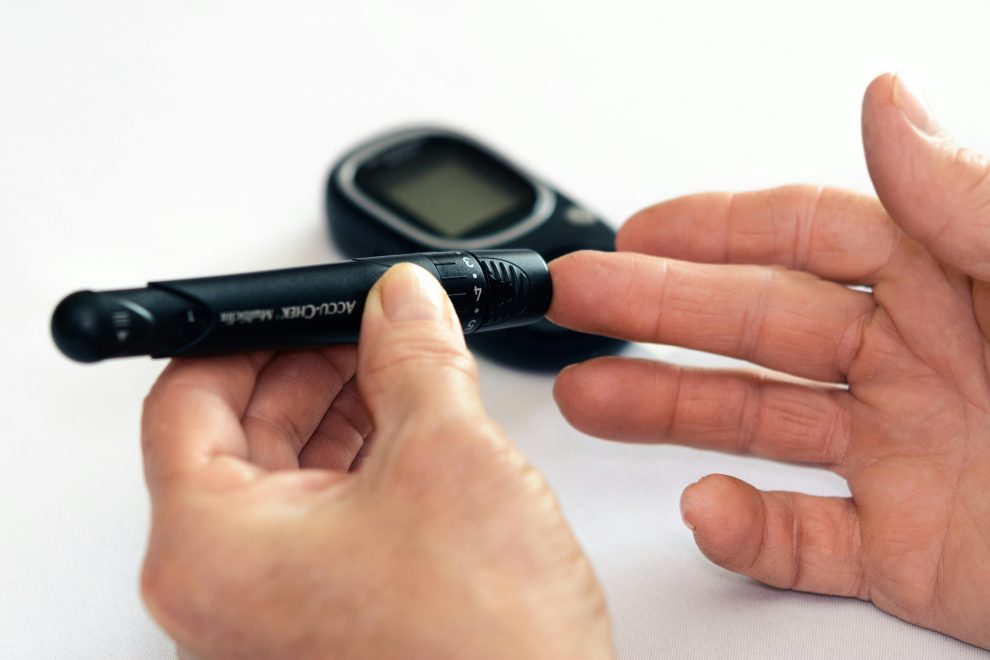
10. Get a CGM (Continuous Glucose Monitor)

You quickly figure out what works for your body. Feedback loops can help people with CGMs spend about 15% more time in their target range.
Not necessary, but very helpful for a few weeks.

11. Foods That Have Been Fermented

Kefir, kimchi, and sauerkraut are all good sources of probiotics and short-chain fatty acids that help with insulin signaling.
They also go well with meals that are high in carbs.

12. Make a Daily Budget for “Added Sugar.”

The American Heart Association says:
  • ≤ 25 g/day for women
  • ≤ 36 g/day for men
That’s not a lot. The biggest problem is that drinks have hidden sugars. But whole fruit is perfectly fine.

13. ACV, or Apple Cider Vinegar

Small RCTs show that taking 1 Tbsp (15 mL) before a meal can lower peak glucose by about 20%.
Mix it with water and drink it with a straw to protect your teeth.
Be careful if you have reflux.

14. Get Your Vitamin D Checked

Deficiency is very common and has to do with insulin not working properly.
Research involving 2,000 IU/day in deficient adults indicates an approximate 0.3% reduction in HbA1c.
If you can, test before adding supplements.

15. Drink Water Before You Eat

In a few small studies, drinking a simple 500 mL (16 oz) glass of water 30 minutes before eating helped lower blood sugar and overall calorie intake.
Not glamorous, but very possible.

A “Low-Spike” Day You Can Copy

  • Breakfast at 7:00 a.m.: eggs, oats, and berries are high in protein.
  • 9:00 a.m.: 16 ounces of water and vitamin D
  • 12:30 PM: Lentil soup and greens come first, then carbs, and vinegar on salad.
  • 1:00 PM​ – 10-minute walk at 3:00 p.m. – Cinnamon kefir
  • 6:00 p.m.​ – Put the veggies in the barley bowl first, then the avocado on top.
  • 6:15 PM​ – 15-minute workout with your own body weight
  • 9:00 PM​ – A small snack of kimchi or sauerkraut
  • 10:00 at night​ – CGM shows that the time in range is about 90–98%.
This doesn’t have to be how your version looks. Choose three to four habits that you like and do them over and over.

Supplement Cheat Sheet (Fast, Not Pushy)

Supplement
Dose
Notes
Apple Cider Vinegar
1 Tbsp (15 mL) 1–2 times/day
Dilute; monitor tooth enamel and reflux
Vitamin D
1,000–2,000 IU/day
Only if level is low (<30 ng/mL)
Magnesium Glycinate
200–400 mg before bed
Aids sleep and insulin sensitivity
Probiotic (L. plantarum)
~10⁹ CFU
Alternative to fermented foods
Food comes first. Supplements don’t build foundations; they fill in gaps.

Check for Safety (Read This Part)

Green Light

Adults who are healthy and focusing on changing their diets.

Yellow Light

  • People with diabetes who take insulin or sulfonylureas (blood sugar levels may drop too low)
  • Anyone with bad reflux who uses vinegar
  • People who want to quickly add fiber (go slowly)

Light Red

  • Severe kidney disease (some pulses have a lot of potassium)
  • People who take warfarin (vitamin D and vinegar may change INR)
  • Anyone who has a history of disordered eating and is fasting aggressively
Always let your doctor know, especially if you’re on medication.

Labs to Keep Track of Your Progress

Start:
  • Glucose in the morning
  • HbA1c
  • Lipid panel
  • 25-OH vitamin D
Three Months Later:
  • HbA1c
  • Blood pressure
  • Change in weight
After Six Months:
  • Lipids
  • Liver enzymes (if you use a lot of vinegar)
Tracking turns questions into information and information into habits.

Key Points (Short and Easy to Remember)

  1. The order of your food matters: veggies, protein, carbs, and a 10-minute walk are the cheapest and most effective hacks.
  2. Fermented foods, vinegar, and pulses are not miracle cures; they are helpers.
  3. If your 2-hour post-meal glucose level is often higher than 140 mg/dL, you should talk to your doctor and change your plan.
About the author

Gerren Davis

Add Comment

Click here to post a comment

Your email address will not be published. Required fields are marked *